For homeowners
Residential rooftop solar
A home system is planned around the roof, the electricity connection, and how the household uses power. The size comes from that review, not from a catalogue.
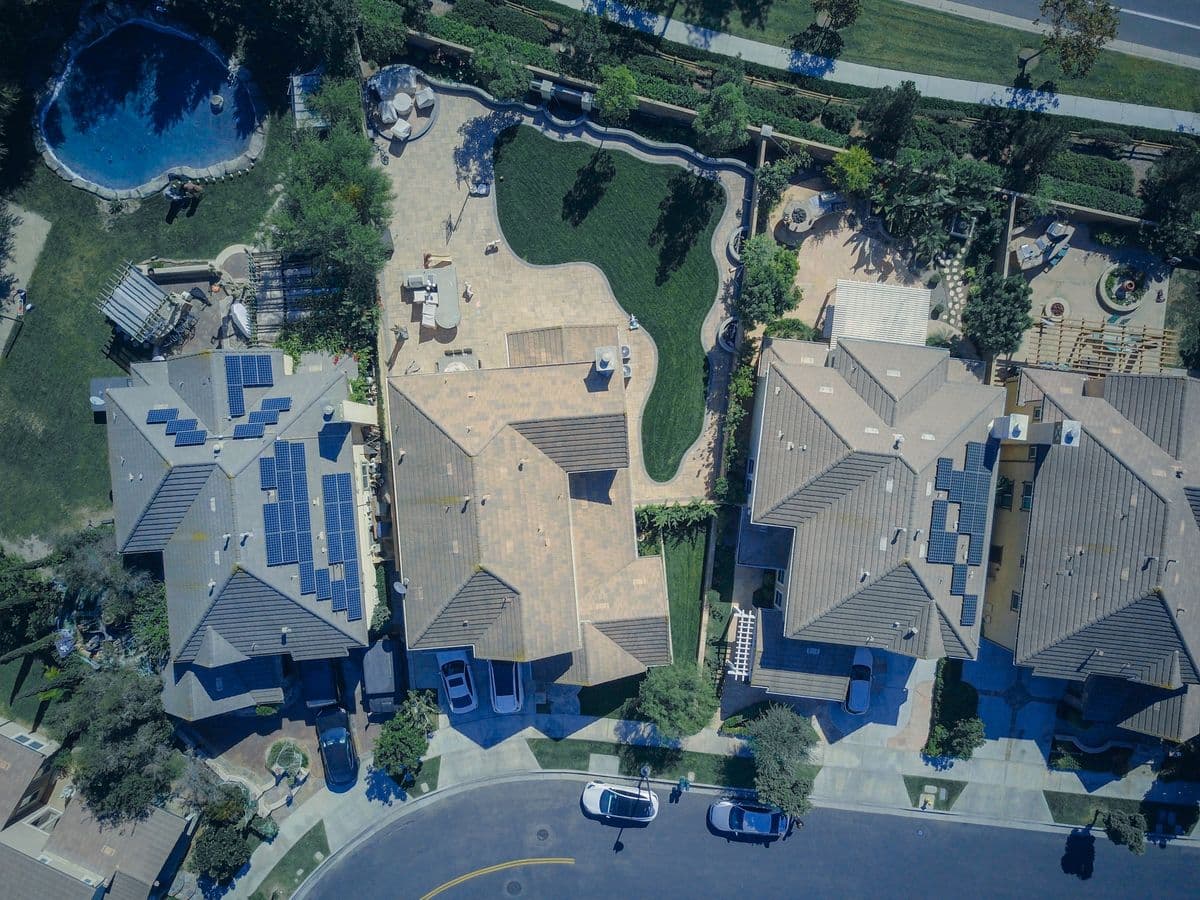
Introduction
Residential solar here means a system on a house roof for the people who live there. Daytime use, evening use, and outages all change which arrangement is worth discussing.
Anvi Solar serves Indore, Dewas, Pithampur, Dhar, and nearby Madhya Pradesh. We do not quote a standard home size on this page.
Why residential solar
These are reasons to look at a home system. They are not a promise of a lower bill.
Daytime use in the home
Generation is highest while the sun is on the roof. How much of that the home uses itself is part of the discussion.
A roof that can be checked
The structure, shading, and waterproofing are reviewed before anyone proposes a layout.
A connection that can be discussed
Net metering, where it applies, is a process with the local distribution company. It is not an automatic discount.
Suitable rooftop types
Not every roof is suitable. A survey decides.
Flat concrete roofs
Often used with an elevated structure. The slab, parapet, and drainage still have to be checked.
Sloped sheet and tile roofs
Panels can follow the slope where the sheet or tile and the supporting members can take the load and the fixings.
Roofs we may decline
Heavy shade, an uncertain structure, or a roof that cannot be reached safely can rule a layout out.
System components
The list below is educational. It is not a bill of materials for your house.
Solar panels
Modules are selected for the available roof, the electrical design, and the equipment proposed in the quotation. The page does not name a required brand.
Rooftop structure
The structure holds the modules and must suit the roof. Fixings and waterproofing are part of the survey, not a guess from a photograph.
Inverter
The inverter turns direct current from the panels into alternating current for the home. On-grid, hybrid, and off-grid inverters are not interchangeable.
DC and AC protection
DC and AC distribution boards, with suitable isolation and protection devices, sit between the array, the inverter, and the home supply.
Earthing
Earthing gives fault current a safe path. It is designed for the site. This page does not give an earth-resistance target.
Lightning protection
Lightning protection is considered with the building and the array. It is not something to add with a household cable.
On-grid, hybrid, and off-grid options
On-grid
Works with the electricity connection. A conventional grid-tied inverter shuts down during a power cut. It does not provide backup.
Hybrid
Adds a battery. Backup lasts only as long as the battery and the connected load allow. It is not unlimited.
Off-grid
Stands alone, without the distribution network. It is discussed when the home needs a supply that is not tied to the grid.
Installation process
This is the path we propose for a home enquiry. It describes the journey. It is not a claim that work is already finished.
- 01
Enquiry
You share the location and, if you have it, a recent electricity bill.
- 02
Roof and connection review
The roof, shade, and electricity connection are reviewed.
- 03
Design and quotation
A proposed size, equipment list, and quotation follow the review.
- 04
Installation
The agreed system is installed. Electrical work is not left as a home task.
- 05
Net metering and handover
Where the system connects to the grid, net metering follows the distribution company. You then receive operating guidance.
Maintenance
Dust in central India reduces the light that reaches the glass. Cleaning has to be done from a safe position, with the array isolated as the installer explained. Do not stand on an unsafe edge, and do not spray water into electrical covers.
Watch for shade from new construction, loose cables, or inverter warnings. Do not open the inverter or bypass protection. Call a qualified person for electrical faults.
Net metering
Net metering lets a grid-connected system record import and, where the distribution company allows it, export. Rules, meter type, and timelines are local. Anvi Solar confirms the process for your connection during the survey. This page does not promise export credit or a lower bill.
Residential solar questions
Will the system run during a power cut?
A conventional on-grid system shuts down when the grid is off. Backup needs a hybrid or off-grid design, and even then the duration is limited by the battery and the load.
How much will I save?
We do not publish a saving figure. It depends on how you use power, the tariff, shade, equipment, and the distribution company's rules.
What capacity should my house have?
Capacity in kW is proposed after the bill and the roof are reviewed. This page does not recommend a size.
Is a government subsidy included?
Subsidy amounts and eligibility are not published here until they are checked against official sources. Confirm the current rules before you rely on them.
Enquire about a home system
Call now, send a WhatsApp enquiry, or open the contact page. Tell us the city and that this is for a house.
